Common Causes of Inner Knee Pain
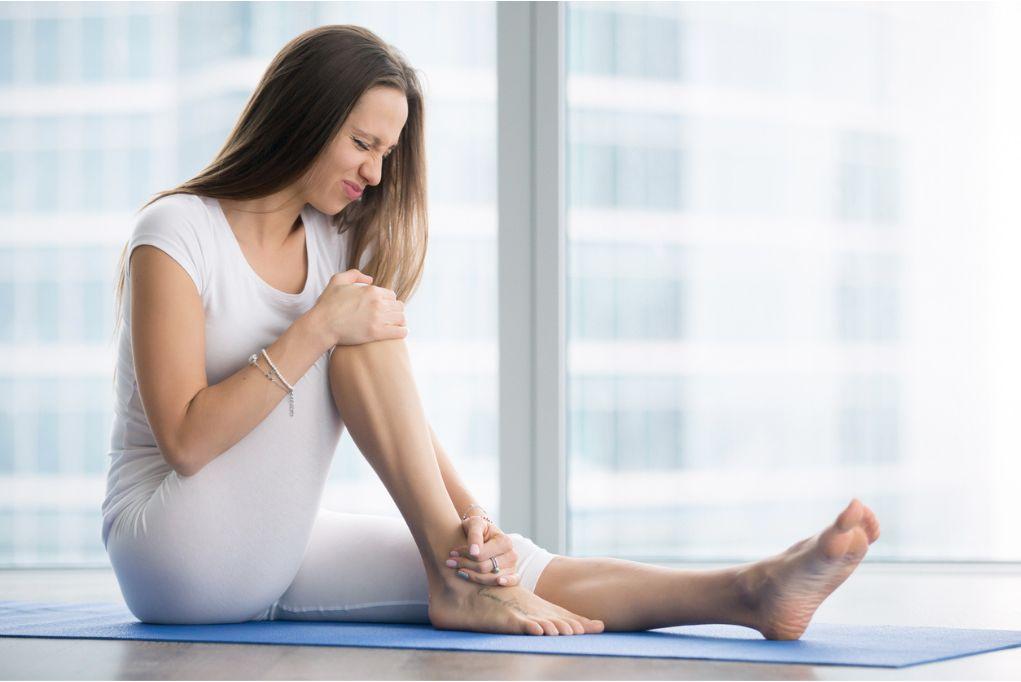
That sharp ache on the inside of your knee can stop you mid-stride, whether you’re climbing stairs, stepping off a curb, or simply getting up from the couch. Inner knee pain is one of the most common complaints orthopedic specialists hear, and it’s not hard to understand why. The medial (inner) side of the knee is a dense intersection of ligaments, tendons, cartilage, and fluid-filled sacs. When any one of those structures gets stressed or damaged, pain quickly follows.
The tricky part is that inner knee pain doesn’t always come from the same source. A weekend runner and a desk worker might both point to the same aching spot, but for entirely different reasons. Identifying the cause is the first step toward lasting relief.
What’s Happening Inside the Knee?
The inner knee houses several key structures working together to keep your joint stable and moving smoothly. The medial collateral ligament (MCL) runs along the inner edge and prevents the knee from buckling sideways. The medial meniscus, a C-shaped piece of cartilage, cushions and distributes your body weight. A fluid-filled sac called the pes anserine bursa sits just below the joint, and a tissue fold called the medial plica lines part of the inner joint. Each of these can become irritated, torn, or inflamed, producing pain in roughly the same location but for very different reasons. This is why location alone rarely tells the whole story.
Common Causes of Inner Knee Pain
MCL Sprain or Tear
The medial collateral ligament is the inner knee’s first line of defense against sideways forces. A direct blow to the outer knee, a sudden twist, or a hard plant-and-cut movement can stretch or tear this ligament. MCL injuries are among the most common knee ligament injuries, particularly in contact sports like football, soccer, and skiing. Symptoms include tenderness along the inner knee, swelling, and a sense of instability – the feeling that the knee might give out under load.
Medial Meniscus Tear
The medial meniscus acts as the shock absorber of the inner knee, and it’s vulnerable to both sudden injury and gradual wear. A quick pivot with your foot planted can tear it instantly. But tears also develop over time, particularly in people over 40, as cartilage becomes more brittle. Meniscus tears are among the most frequently occurring knee injuries, often producing a popping sensation at the moment of injury, followed by swelling, stiffness, and pain along the inner joint line. Some people also notice a catching or locking feeling when a torn fragment gets caught between joint surfaces.
Pes Anserine Bursitis
Bursae are small, fluid-filled sacs that cushion areas where tendons and bones meet. When the pes anserine bursa, located on the inner knee just below the joint, becomes inflamed, it produces a dull, aching pain that’s often worst at night or when climbing stairs. This condition is especially common in people with osteoarthritis, those who carry extra body weight, or runners who rapidly increase their training mileage. The pain typically sits an inch or two below the actual knee joint, which can help distinguish it from other inner knee conditions.

Medial Plica Syndrome
The plica is a natural fold of tissue that lines the knee joint. Most people have one and never notice it. But in some individuals, repetitive bending and straightening causes the medial plica to thicken and snap over the end of the thigh bone, producing a clicking or snapping sensation along the inner knee, along with aching and tenderness. Cyclists, runners, and anyone who suddenly increases their activity level are most likely to experience this condition.
Knee Osteoarthritis
Osteoarthritis, the gradual breakdown of joint cartilage, tends to affect the inner knee more than the outer side, because the inner compartment bears a greater share of your body’s load during walking. As cartilage wears away, bone begins to grind against bone. The Centers for Disease Control and Prevention reports that about 33 million U.S. adults live with osteoarthritis, making it one of the leading causes of chronic knee pain in people over 50. Morning stiffness that loosens up with movement is one of its most recognizable hallmarks.
Symptoms to Watch For
Beyond the familiar ache, inner knee pain can show up in several ways that signal it’s time to get evaluated:
- Swelling or warmth along the inner edge of the knee joint
- A popping, clicking, or snapping sensation during movement
- Instability or the sense that the knee might give way
- Stiffness that improves after warming up
- Difficulty fully bending or straightening the knee
- Pain that worsens with stairs, squatting, or prolonged sitting
Occasional mild soreness after a long workout isn’t always a red flag. But pain that persists beyond a few days, keeps returning, or limits your movement deserves professional attention.
How Is Inner Knee Pain Diagnosed?
At Motion Orthopaedics, diagnosing inner knee pain starts with a thorough conversation about your symptoms, activity level, and health history. Your orthopedic specialist will then:
- Perform a physical exam, testing ligament stability, checking for joint line tenderness, and assessing range of motion.
- Evaluate hip, thigh, and calf strength and flexibility, since weakness in these areas often contributes to knee problems.
- Order X-rays to assess bone and joint spacing, or an MRI to examine soft tissue structures like the meniscus, MCL, and cartilage.
Pinpointing the correct diagnosis matters because the right treatment depends entirely on the right cause. Treating bursitis the same way you’d treat an MCL tear simply won’t work.
Treatment Options
Most causes of inner knee pain respond well to conservative care, and surgery is rarely the first step. Depending on your diagnosis, your treatment plan may involve:
- Rest and targeted activity modification
- Physical therapy to correct muscle imbalances and restore healthy movement patterns
- Anti-inflammatory medications or icing to manage swelling
- Bracing to support the MCL or stabilize the joint
- Corticosteroid injections for persistent inflammation from bursitis or other conditions.
When conservative treatment isn’t enough, arthroscopic surgery, a minimally invasive approach, can repair or address structural problems like significant meniscus tears, with most patients returning to full activity within a few months.
When to See an Orthopedic Specialist
If your inner knee pain has lasted more than a week, is steadily worsening, or is keeping you from the activities you enjoy, it’s time to get a professional opinion. Early treatment can prevent a manageable problem from becoming a complicated one. A small meniscus tear that goes unaddressed, for example, can extend over time and lead to cartilage damage that is far harder to treat.
At Motion Orthopaedics, our specialists understand that inner knee pain affects far more than just your knee. It affects your ability to move freely, stay active, and do the things that matter most to you. We’ll find the root cause and build a personalized treatment plan around your specific situation and goals.
Get Back to Moving Without Pain
Inner knee pain isn’t something you have to push through or simply live with. Whether you’re dealing with a recent injury or a nagging ache that’s been building for months, Motion Orthopaedics is here to help you get answers and get back to moving. Meet our knee specialists and find the right fit for your care.
Contact us today to schedule an appointment and take the first step toward lasting relief from inner knee pain.