Winter Storm Safety: Preventing Falls and Fractures During Missouri’s Heavy Snowfall
When winter storms hit Missouri, the beautiful snow-covered landscape comes with a hidden danger: icy sidewalks, driveways, and parking lots that turn everyday surfaces into slipping hazards. A slip on ice can happen in an instant, but the consequences can last for months. However, most of these accidents are preventable with the right precautions and awareness.
Why Winter Falls Are So Dangerous
Ice and snow create unpredictable surfaces that are difficult to navigate safely. Black ice, which forms a nearly invisible layer on pavement, is particularly treacherous because you can’t see it until you’re already slipping. Even a light coating of snow can hide icy patches underneath, making surfaces look safer than they actually are.
When you fall on ice, you typically fall hard and fast. There’s no time to catch yourself properly, which is why wrist fractures are so common. People instinctively reach out to break their fall, putting all their weight on outstretched hands. This can result in broken wrists, fractured arms, or shoulder injuries.
Older adults face even greater risks. As we age, our bones become more fragile, and our balance naturally declines. A fall that might cause only bruising in a younger person can result in a serious hip or pelvis fracture in someone over 65. Hip fractures are particularly serious, often requiring surgery and lengthy rehabilitation.
Common Winter Fall Injuries
- Wrist and Forearm Fractures: The most frequent injury from catching yourself during a fall. These often require casting and sometimes surgery if the break is severe or involves multiple fragments.
- Hip Fractures: Common in older adults and almost always require surgical repair. Recovery can take months and may significantly impact mobility and independence.
- Ankle Fractures and Sprains: Landing awkwardly on ice can twist or break the ankle. Even sprains can be severe and require immobilization and physical therapy.
- Shoulder Injuries: Falls can result in dislocated shoulders, rotator cuff tears, or fractures of the collarbone or upper arm bone.
- Head Injuries: Falling backward onto ice can cause concussions or more serious head trauma, particularly if you’re not wearing a hat for cushioning.
- Tailbone and Spine Injuries: Landing directly on your backside can fracture the tailbone or compress vertebrae, causing significant pain and limited mobility.
How to Prevent Slips and Falls on Ice
Wear Proper Footwear
- Wear boots with deep treads and good traction
- Avoid smooth-soled dress shoes, high heels, or worn footwear
- Consider slip-on ice cleats or traction devices

Walk Smart
- Take shorter steps and walk more slowly
- Keep your center of gravity over your feet
- Walk flat-footed or slightly pigeon-toed
- Point feet slightly outward for better stability
- Avoid carrying heavy loads that throw off balance
- Use handrails and keep one hand free
Watch Where You Step
- Pay close attention to your path
- Avoid areas that look icy or have a wet sheen
- Step on snow rather than cleared ice when possible
- Be extra careful on stairs, curbs, and vehicle entries
- Watch for slush hiding ice underneath in parking lots
Clear Your Property Safely
- Keep walkways, driveways, and steps clear
- Apply salt, sand, or ice melt before and after storms
- Ensure outdoor lighting works properly
- Use proper shoveling technique or hire help if needed
Time Your Outings
- Avoid going out during active snowfall or after ice storms
- Wait until surfaces have been treated
- Schedule errands for later in the day when ice has melted
- Check forecasts and road conditions before heading out
Use Assistive Devices
- Use a cane or walking stick for extra stability if needed
- Keep one near your door for winter use
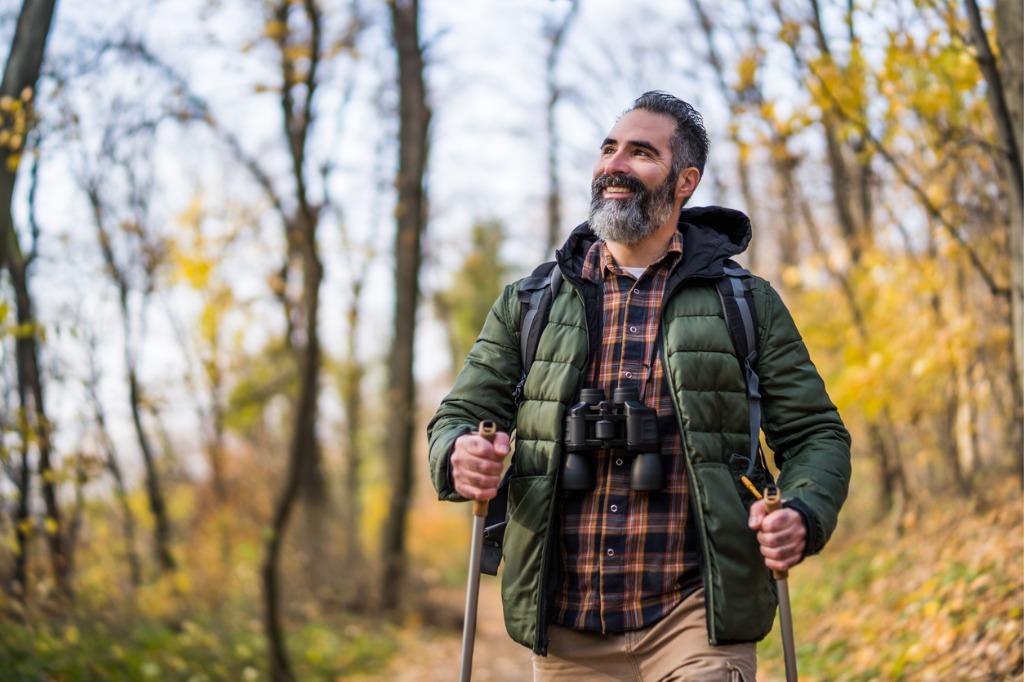
- Consider hiking poles or trekking poles for snow and ice
What to Do If You Fall
If you do fall and suspect an injury, don’t try to rush getting up. Assess yourself for pain, inability to move certain areas, or obvious deformity. If you’re seriously hurt, call for help rather than risking further injury by trying to stand.
Seek medical attention if you experience severe pain, swelling, inability to bear weight, visible deformity, numbness, or if you hit your head. Even if you feel okay initially, some injuries become apparent hours later, so monitor yourself for worsening symptoms.
Expert Care at Motion Orthopaedics
Winter falls can happen to anyone, no matter how careful you are. If you’ve suffered a fracture or other injury from a slip on ice or snow, Motion Orthopaedics is here to help. We understand that winter injuries need prompt attention, and we’re committed to getting you diagnosed, treated, and on the path to recovery as quickly as possible.
With convenient locations throughout Missouri, including Creve Coeur, Wentzville, Rolla, Cape Girardeau, and Jefferson City, expert care is always accessible when you need it most.
Contact Motion Orthopaedics today to schedule an appointment.