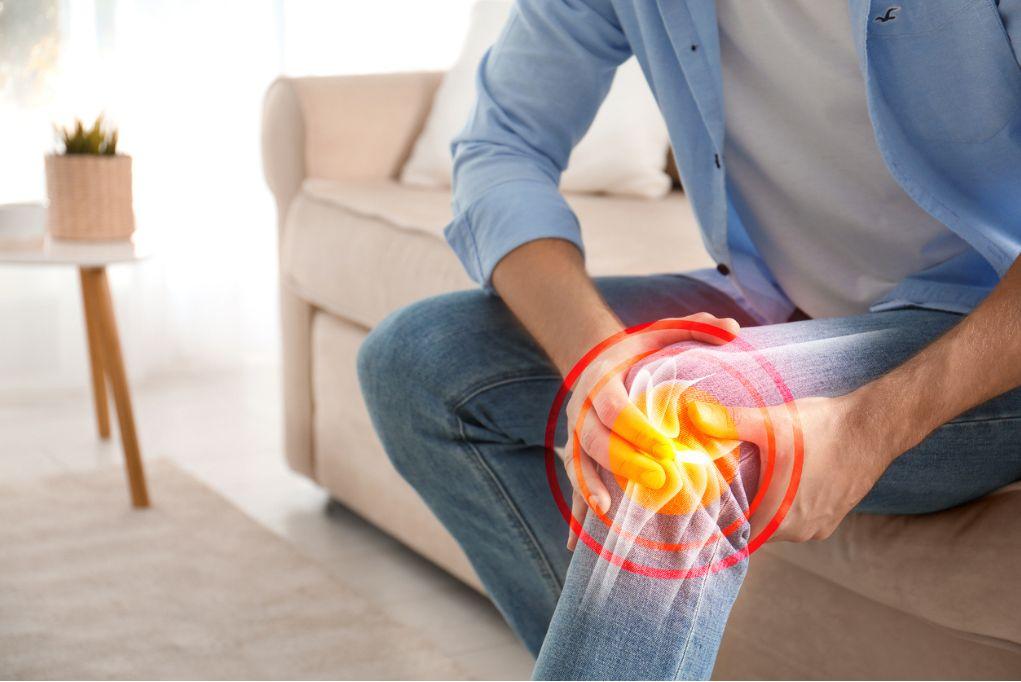
Knee Feels Like It Needs to Pop? What It Could Mean
That pressure building behind your kneecap, the kind that makes you want to shift your weight or straighten your leg until something releases, is a sensation more people experience than you might think. It can show up after a long meeting, a flight of stairs, or squatting down to pick something up. Sometimes a pop follows, and the feeling dissolves. Other times, it just lingers.
In most cases, a knee that feels like it needs to pop is not a sign of anything dangerous. But when the sensation becomes frequent, occurs alongside pain, or starts to limit what you can do, it is worth understanding what is actually going on.
Why Your Knee Feels Like It Needs to Pop
To make sense of that pressure, it helps to understand how the knee is built and what disrupts its normal movement. Even small imbalances in the joint can produce noticeable sensations.
The Anatomy Behind the Sensation
Your knee connects the thigh bone, shin bone, and kneecap through cartilage, ligaments, tendons, and fluid-filled cushions called bursae. Synovial fluid keeps everything lubricated so bones can glide smoothly. When any part of this system is under stress from inflammation, tightness, or wear, the joint can start to feel pressurized or slightly off.
When the Sensation Is Harmless
A knee that occasionally clicks or pops without pain is extremely common. Crepitus, the term for sounds and sensations produced by joint movement, often comes from gas bubbles releasing in the synovial fluid or tendons gliding over bony surfaces. Both are harmless. The picture changes when the sensation is new, worsening, or paired with swelling or aching.
Common Causes of That Pressure and Popping Feeling
Several conditions can create that pressurized feeling, and they are not always easy to distinguish by sensation alone. Identifying the underlying cause is the first step toward the right treatment.
Patellofemoral Pain Syndrome
Patellofemoral pain syndrome develops when the kneecap does not track smoothly along the groove at the base of the thigh bone. The resulting misalignment builds pressure during squatting, kneeling, or prolonged sitting. Runners, cyclists, and desk workers are among the most commonly affected.
Meniscus Problems
The two menisci are C-shaped cartilage pads that absorb shock and stabilize the knee. A meniscus tear or area of deterioration can create a mechanical sensation that feels like something needs to shift or release. Swelling, stiffness, or a catching feeling when bending or twisting the leg often accompany this type of problem.
Tight Muscles and Flexibility Imbalances
The quadriceps, hamstrings, IT band, and calf muscles control how the knee loads during movement. When these muscles are tight or imbalanced, they place uneven stress on the joint and generate the tension that builds into that familiar pressure. Prolonged sitting is a common culprit, shortening the hip flexors and hamstrings over time.

Symptoms That Accompany the Sensation
What you notice alongside the pressure matters just as much as the sensation itself. The full picture helps identify whether the knee is dealing with something minor or signaling a problem that deserves attention.
What Falls Within the Normal Range
Occasional, painless clicking or popping during movement is common across all age groups. A brief release of pressure after shifting position or standing up is usually nothing to be concerned about.
Warning Signs That Deserve Medical Attention
When the sensation arrives with other symptoms, it is time to get your knee evaluated. Seek care if you notice any of the following:
- Swelling or warmth around the joint that does not improve with rest
- Pain during or after activity that is progressively getting worse
- Stiffness that limits how far you can bend or straighten the knee
- A catching or locking sensation that briefly stops the joint from moving
- Instability or giving way while walking or going down stairs
- Discomfort after prolonged sitting that worsens when you first stand up
How Motion Orthopaedics Diagnoses the Cause
Because several conditions share the same sensation, a precise diagnosis is what separates effective treatment from guesswork. At Motion Orthopaedics, the evaluation is designed to find not just what is happening in the knee, but why.
What to Expect at Your Evaluation
Your orthopedic specialist will conduct a thorough assessment that includes:
- A detailed review of your symptoms, including when the pressure started and which movements trigger it.
- A hands-on physical exam to assess the range of motion, joint stability, and swelling.
- Muscle strength and flexibility testing in the thigh, hip, and lower leg.
- Imaging, such as X-rays or MRI, is used to detect structural issues when suspected.
Why an Accurate Diagnosis Matters
Many knee conditions share overlapping symptoms, which is why clinical evaluation matters more than guessing based on feel alone. Pinpointing the exact source is what allows treatment to be targeted rather than generic.
Treatment Options for Knee Pressure and Popping
The right treatment depends entirely on the cause of the sensation. Most people do not need surgery, and many find meaningful relief through conservative care alone.
Conservative Approaches That Resolve Most Cases
Most knee conditions that produce this sensation respond well to nonsurgical treatment. Depending on your diagnosis, your care plan may include physical therapy, targeted stretching and strengthening, activity modification, and anti-inflammatory medications or cortisone injections for cases involving significant inflammation.
When Surgery Becomes the Right Option
Surgery is not the first recommendation for a knee that feels like it needs to pop. If conservative treatment does not bring adequate relief or imaging reveals significant structural damage, options such as arthroscopic repair of a meniscus tear or patellar realignment surgery may be considered.
Get Your Knee Evaluated at Motion Orthopaedics
A knee that regularly feels like it needs to pop is worth evaluating, especially when pain, swelling, or instability are part of the picture. Early intervention gives you the best chance of resolving the problem with the least invasive care.
Contact us today to schedule your appointment with one of our knee specialists at Motion Orthopaedics and take the first step toward a knee that moves the way it should.