How to Prevent Shin Splints: Orthopedic Tips for Runners and Walkers
The first few weeks of a new running routine feel great. Then that familiar ache starts creeping along the inside of your lower leg. Shin splints are one of the most common overuse injuries among runners and walkers. They have a frustrating habit of showing up right when your training is gaining traction. The pain often starts mild enough that people push through it, but without the right habits in place, it tends to get worse.
Medial tibial stress syndrome, the clinical name for shin splints, affects up to 35% of the athletic population. It also accounts for 10 to 20% of all running-related injuries. That’s a significant number, especially considering that most cases are preventable. Whether you’re logging miles on a treadmill or training for your first 5K, understanding the contributing factors can keep you on track and out of pain.
Why Shin Splints Happen in the First Place
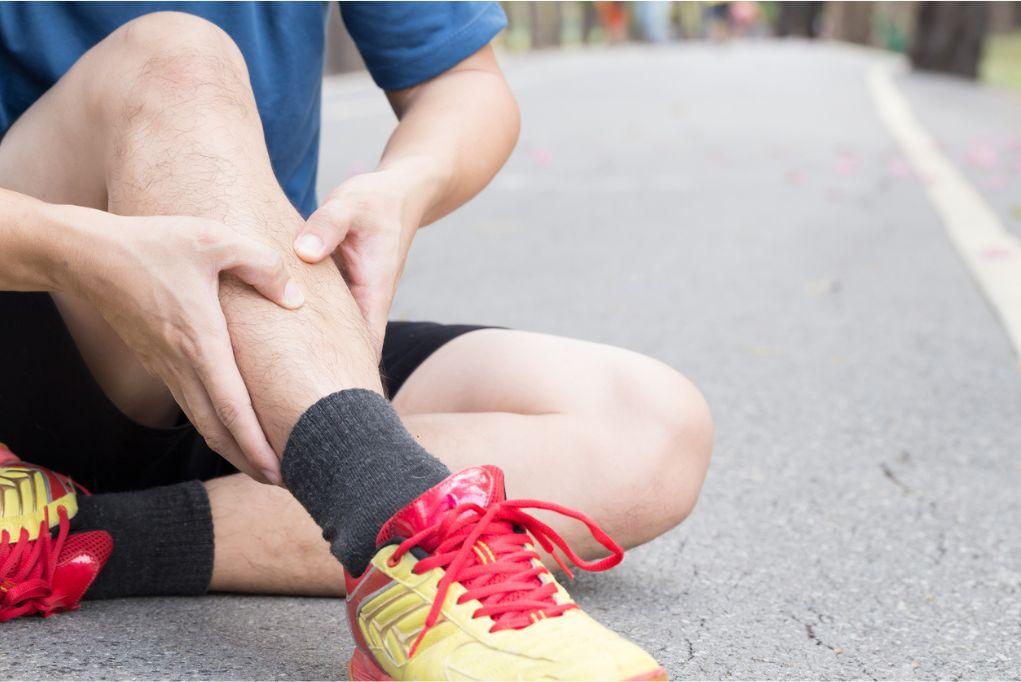
Shin splints develop when the muscles, tendons, and bone tissue surrounding the tibia become overloaded and inflamed. The tibia is the large bone running along the front of your lower leg, and it bears a tremendous amount of force with every step. When stress accumulates faster than the body can adapt, pain sets in. The injury rarely has a single cause; it tends to result from several factors that build over time.
The Role of Training Load
One of the most consistent predictors of shin splints is doing too much, too soon. Runners who increased their weekly mileage by more than 30% had significantly higher injury rates than those who kept increases under 10%. Bone and soft tissue need time to strengthen in response to new demands. When the workload outpaces that adaptation window, stress accumulates in the tibia faster than it can be absorbed.
Biomechanics and Foot Mechanics
How your foot strikes the ground matters just as much as how far you go. Excessive pronation, the inward rolling of the foot with each step, places added strain on the posterior tibial tendon and surrounding structures. People with flat feet or a pronounced navicular drop tend to be at higher risk. The navicular drop refers to the downward shift of the inner arch during weight bearing. Running on hard or uneven surfaces further amplifies these forces, leaving the tibia less room to absorb impact.
How to Prevent Shin Splints Through Smart Training
Prevention is mostly a matter of giving your body the right conditions to adapt. The strategies that work aren’t complicated, but they do require consistency. Building sustainable habits around how you progress your training is the foundation of keeping shin splints out of the picture.
Build Mileage Gradually
The temptation to ramp up quickly is real, especially when motivation is high. Resisting that urge is one of the most effective things you can do for long-term training health. Keep weekly mileage increases at or below 10%. Incorporate at least one full rest day per week, and avoid stacking hard running days back-to-back. If you’re returning from a break, treat your body as a beginner even if your fitness doesn’t feel like it. Bone and tendon tissue need time to re-adapt regardless of how your lungs feel.

Cross-Train and Vary Your Surfaces
Incorporating lower-impact activities like swimming, cycling, or using the elliptical reduces repetitive stress on your tibia. It also maintains cardiovascular fitness during recovery periods. Choosing softer surfaces like grass, packed trails, or rubberized tracks over concrete or asphalt lowers the impact load with each step. These aren’t workarounds; they’re tools that experienced runners use to manage volume without accumulating excess tibial stress.
Footwear and Orthotics: What the Research Shows
Shoes are not an afterthought when it comes to preventing shin splints. The wrong footwear, whether worn-out, poorly fitted, or mismatched to your foot type, changes how ground reaction forces travel up through your lower leg. Getting this right is one of the most actionable things you can do before a run even starts.
Choosing the Right Running Shoe
Running shoes should be replaced every 300 to 500 miles, well before the sole looks visibly worn. The midsole foam gradually breaks down and loses its cushioning long before the upper shows obvious wear. At a specialty running store, a staff member can assess your gait and foot type. They can match you with a neutral, stability, or motion-control shoe based on your specific mechanics.
When Insoles May Help
Shock-absorbing insoles have shown promise as one of the few prevention tools with consistent research support. For runners with a notable navicular drop, pronation-controlling insoles may reduce strain on the posterior tibial tendon during loading. Custom orthotics from an orthopedic specialist can be particularly useful when foot mechanics are contributing to a recurring injury pattern.
Strengthening and Flexibility Work That Protects Your Shins
Strong, flexible muscles distribute impact more efficiently. When the calf, soleus, and hip muscles are underdeveloped or fatigued, more force transfers directly to the tibia. A targeted lower-leg conditioning routine is one of the most durable long-term strategies for preventing shin splints.
Exercises to Build Tibial Resilience
Physical therapists commonly recommend these exercises for runners looking to reduce shin splint risk:
- Calf raises: Stand with feet hip-width apart and slowly rise onto your toes, then lower back down. Progress to single-leg raises as strength builds.
- Toe taps: Rapidly tap your toes on the floor while seated or standing. This strengthens the tibialis anterior, the muscle along the outer shin.
- Soleus strengthening: Perform seated calf raises with the knee bent at 90 degrees. This isolates the soleus, a key stabilizer of the ankle and tibia.
- Hip abductor work: Side-lying leg raises and resistance band walks improve hip stability. Stronger hips reduce compensatory stress on the lower leg during running.
- Single-leg balance: Stand on one foot for 30 to 60 seconds. This challenges the proprioceptive system and improves ankle stability on uneven terrain.
Dynamic Warm-Up Before You Run
Static stretching before activity has not been shown to prevent shin splints. A dynamic warm-up, however, does prepare muscles and connective tissue for load. Before running, try this routine:
- Walk briskly for three to five minutes to elevate heart rate and blood flow.
- Perform 10 forward and lateral leg swings on each side to mobilize the hip.
- Complete 10 walking lunges to activate the glutes and hip flexors.
- Do 10 ankle circles on each foot to loosen the joint before impact.
- Finish with two to three minutes of easy jogging before moving to full pace.
After your run, static stretching of the calves and hip flexors supports recovery. It also reduces residual tension in the muscles surrounding the tibia.
When to Stop Running and See a Specialist
Shin splints exist on a spectrum. Early-stage discomfort that appears during activity and fades afterward can often be managed with the strategies above. Pain that persists throughout a run, lingers the next day, or becomes sharp and localized at one point on the bone warrants medical evaluation. Continuing to run through significant shin pain risks progression to a tibial stress fracture, a more serious injury that requires imaging to diagnose accurately.
At Motion Orthopaedics, evaluating shin pain starts with a thorough history of your training habits. A physical examination follows to identify the specific source of discomfort. When a stress fracture is suspected, an MRI can detect bone stress reactions that don’t appear on standard X-rays. From there, your specialist will work with you to develop a recovery and return-to-activity plan tailored to your goals.
Get Back to Running Without Getting Sidelined Again
Shin splints are common but largely preventable. The right approach to training, footwear, and conditioning goes a long way. If you’ve been dealing with recurring lower leg pain or want help building a plan that keeps you healthy for the long run, Motion Orthopaedics is here to help.
Contact us today to schedule an appointment with one of our orthopedic specialists and take the first step toward pain-free miles.