Hydration for Athletes: How Fluid Intake Protects Your Joints and Muscles
A long bike ride or a Saturday soccer game can leave you more drained than you expect. Even a few hours of yard work in the summer heat has the same effect. Your legs feel heavier, your grip feels weaker, and your joints seem to complain a little louder with every step. Most people blame this on being out of shape. Often, there is a simpler explanation hiding in plain sight.
Water plays a bigger role in how your body moves than most people realize. It cushions your joints, keeps your muscles firing properly, and helps your tendons glide as they should. When fluid levels drop, even by a small amount, your risk of strains, sprains, and other orthopedic injuries climbs right along with it.
At Motion Orthopaedics, our sports medicine team talks about hydration for athletes often, especially during Missouri’s hot, humid summers. Understanding how fluid intake protects your body can help you train smarter, recover faster, and stay off the sidelines.
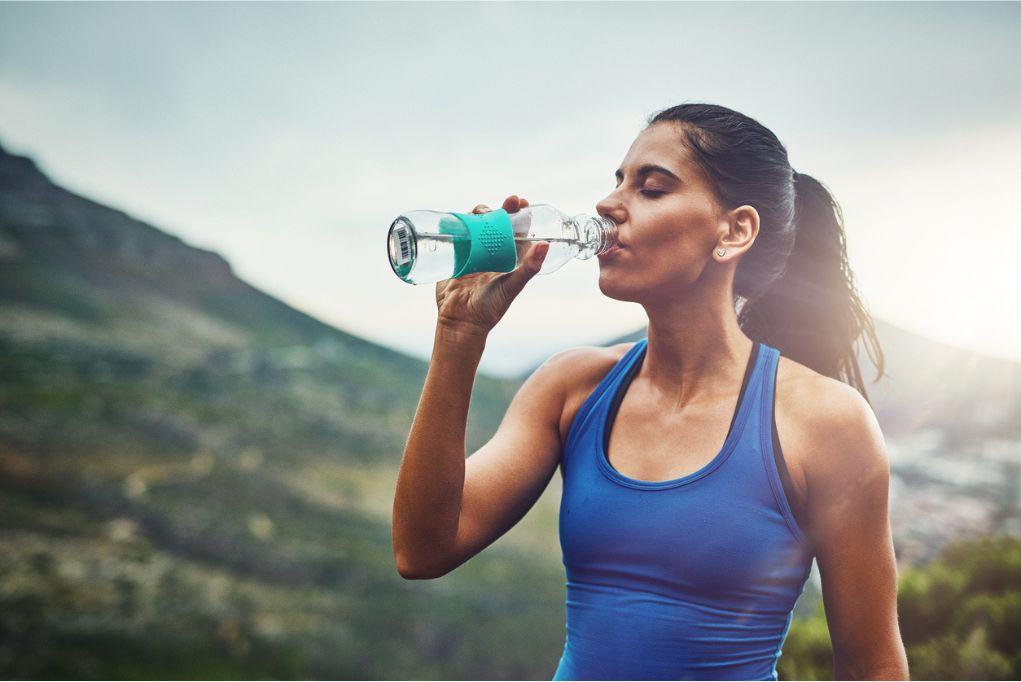
Why Hydration for Athletes Matters for Joints and Soft Tissue
Your joints and connective tissue are not solid, dry structures. They are made largely of fluid that does real mechanical work every time you move. Knowing how this system functions makes it easier to understand why athlete hydration matters beyond simply quenching thirst.
Cartilage Depends on Water to Absorb Shock
The cartilage that cushions your knees, hips, and shoulders is made up mostly of water. This water gives cartilage its spongy quality, letting it compress and rebound as you walk, run, or jump. Dehydrated cartilage becomes stiffer and less able to absorb force, a change documented in studies of articular cartilage hydration. Over time, that added stress can wear cartilage down faster than normal.
Tendons and Muscles Need Fluid to Move Smoothly
Tendons connect your muscles to your bones. They rely on adequate hydration to stay flexible and strong. A tendon with too little fluid becomes tighter and less elastic. That stiffness raises the odds of a strain during a sudden sprint or an awkward landing. Muscles behave the same way. When they run low on fluid, they fatigue faster and lose some ability to contract with precision, which can throw off your form during activity.
How Dehydration Raises Your Risk of Injury
Dehydration rarely announces itself with dramatic symptoms right away. Instead, it chips away at your coordination and endurance, quietly setting the stage for an injury. Two areas deserve attention here: how your body moves when fluid runs low, and what actually causes those painful cramps mid-workout.
Fatigue, Coordination, and Missteps
As fluid levels drop, your blood volume decreases, making it harder for your body to deliver oxygen to working muscles. This speeds up fatigue and slows your reaction time. Both factors matter when you are cutting, jumping, or changing direction quickly. Published fluid replacement guidelines for athletes note that even modest fluid loss can impair performance and raise health risks during exercise. A tired, sluggish body is more likely to land wrong or overextend a joint.

What the Research Says About Cramps
Many people assume dehydration is the main cause of exercise cramps. The science, however, tells a more nuanced story. Reviews of exercise-associated muscle cramps point to nerve and muscle control issues as bigger contributors than fluid loss alone. Hydration still plays a supporting role in overall muscle function. The takeaway is not to ignore your water bottle. It simply means proper warm-ups, conditioning, and pacing matter just as much.
Recognizing Dehydration Before It Becomes a Problem
Catching dehydration early is the simplest way to protect your body during exercise. Your body usually gives warning signs before performance drops or an injury occurs. Those signs are easy to miss if you are not paying attention.
Early Warning Signs
Pay attention to these common indicators that your fluid levels are running low:
- Dark yellow urine or noticeably less frequent trips to the bathroom
- Dry mouth, chapped lips, or a persistent thirst that water does not seem to satisfy
- Headache or dizziness that appears partway through activity
- Muscles that feel unusually tight, heavy, or slow to respond
- Fatigue that hits earlier than it normally would during a similar workout
When Symptoms Point to Something More Serious
Mild dehydration usually improves quickly once you rest and rehydrate. Some symptoms are more urgent, though. Confusion, a rapid heartbeat, or a sudden cessation of sweating in hot conditions can signal heat illness. Treat those symptoms as a medical emergency and seek care right away.
Building a Hydration Routine for Athletes
A little planning goes a long way toward keeping your fluid levels steady throughout the day. You do not need a complicated system. Good hydration for athletes usually comes down to a few consistent habits, built around your activity level and the weather.
Simple Steps to Stay Ahead of Fluid Loss
- Drink water steadily throughout the day rather than trying to catch up right before exercise.
- Have roughly 16-20 ounces of water in the 2 hours before a workout or game.
- Sip fluids every 15 to 20 minutes during activity, especially anything lasting longer than an hour.
- Add an electrolyte drink during long or intense sessions, particularly in hot weather.
- Weigh yourself before and after a hard workout, and replace each pound lost with roughly 16 ounces of fluid.
Hydration Habits for Missouri’s Heat and Humidity
Missouri summers bring a mix of high heat and heavy humidity. That combination pushes sweat rates up fast. Adjust your fluid intake on hot, muggy days. When possible, schedule intense outdoor activity for the cooler morning or evening hours. Wearing breathable clothing and taking shade breaks can also reduce how much fluid you lose in the first place.
Get Support for Your Active Lifestyle
Staying hydrated is one of the easiest ways to protect your joints and muscles. It will not prevent every injury. If you notice ongoing pain, swelling, or reduced range of motion, it is worth having it evaluated. Waiting to see if it resolves on its own can backfire. Left unaddressed, minor strains can turn into more serious injuries that take much longer to heal.
The physicians at Motion Orthopaedics work with athletes and active adults to treat injuries and build smarter training habits. That includes hydration and exercise recovery strategies that help prevent overuse injuries before they start. If pain or stiffness is holding you back, our providers can help you find the cause.
Contact us today to schedule an appointment with one of our sports medicine specialists. Take the next step toward staying active, hydrated, and injury-free.